How weight is counted: bars and plates
One number goes in the weight cell: everything you moved in a single rep. Barbells are the one place you do not type that number yourself.
4 steps · 3 min read
Step 1. Tap a weight, read the question mark
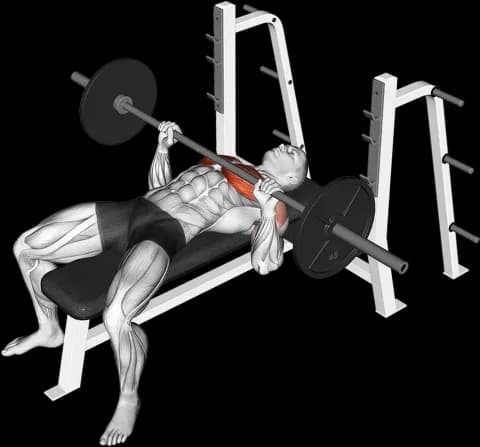
Tap any weight cell and the ruler slides up. On a bar-loaded exercise the chip above it does not say Weight, it says Plates, and that is the app telling you it wants a different number.
The ? beside the title says which one. It reads the equipment on the exercise you have open, so the same button answers differently on a barbell, a pair of dumbbells and a cable stack.
A Smith machine is not a bar here: it gets the machine answer and no bar row, so log the number the stack reads. Trap bars and EZ bars both get one.
Step 2. Log the plates, then pick the bar
Drag the plates you loaded, both sides together. Four bars sit under the STEP row: Standard at 20 kg, Short at 15, EZ at 7.5, and None for anything with no bar to count. Tap the one you used.
Done adds the two together and writes the total to the set. Sixty kilos of plates on a Standard bar lands on the row as 80 kg. Leave the ruler at zero and the set lands on the bar weight, which is what an empty bar weighs.
- The ruler opens on a 5 kg grid, because plates load in pairs
- STEP takes it down to 1.25 or 0.25 for micro-plates
- On Imperial the same bars read 44, 33 and 16.5 lb
Step 3. Change the bar, keep the plates
Move the same 60 kg of plates onto the Short bar and the ruler does not flinch. The row does: 80 becomes 75, because five kilos of bar came off.
That is the reason the input works this way. The plates are what you actually handle at the rack, so they are what you log, and the arithmetic that turns them into a total is the app's job.
The bar is stored on the set, not the exercise. A new set copies the bar above it, and the exercise comes back on the bar you last used.
Step 4. Dumbbells, machines and bodyweight
Nothing else asks for plates. The chip reads Weight, there is no bar row, and the number you set is the number stored.
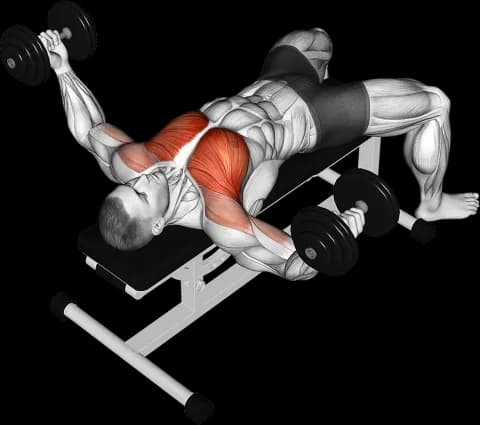
Dumbbells are where people halve it. You are moving two, so log them as one number: a pair of 15s is 30 kg. Single-arm work is the exception the ? calls out, and there you log the one dumbbell in your hand.
- Machines and cables: the number where you set the pin
- Pull-ups and dips: only what you add on a belt
- Adding nothing to a bodyweight move? Leave it at 0